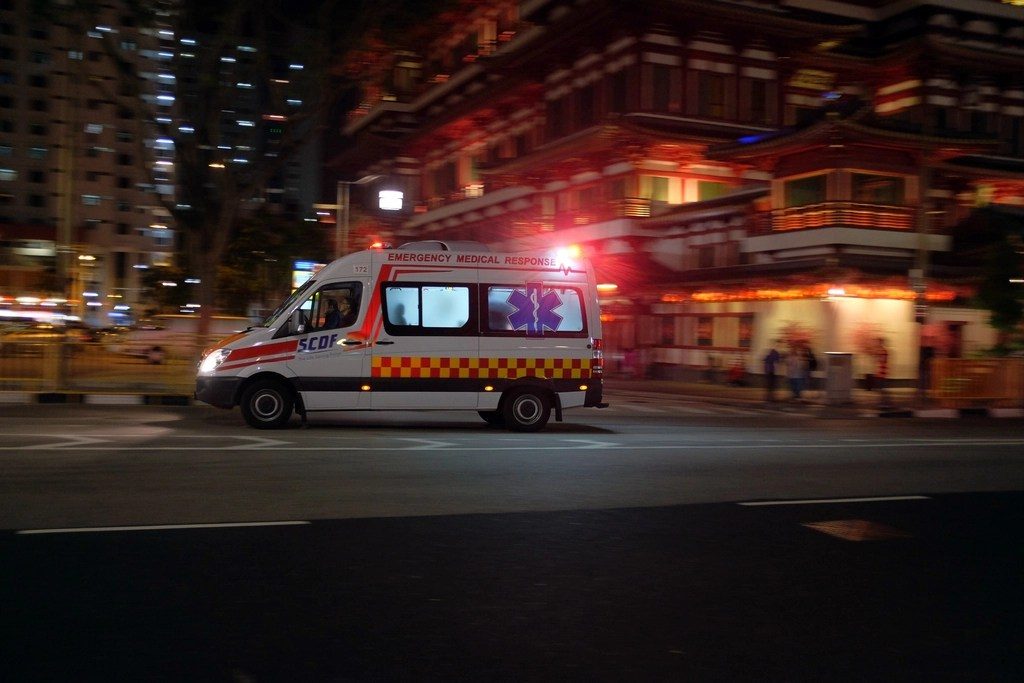
Most people picture a paramedic arriving at an emergency. That is part of it. It is a long way from all of it.
What the job actually is
A paramedic assesses people who are ill or injured, decides what is wrong and how serious it is, gives treatment, and decides where the person needs to go — which is often not hospital.
They work in unpredictable places. Living rooms, roadsides, shopping centres, care homes, at night, in bad weather, with limited equipment and no colleagues down the corridor.
The core skill is not dramatic. It is making sound decisions quickly with incomplete information, and staying calm while doing it.
A realistic shift
Emergencies are a minority of calls. A lot of the work is:
- older people who have fallen, many of whom are not badly hurt but cannot get up
- breathing problems
- chest pain that may or may not be a heart attack
- people who are confused, unwell or deteriorating slowly
- mental health crises
- people with no other way of getting help
Paramedics increasingly treat people at home and refer them elsewhere rather than taking everyone to hospital. Deciding not to convey someone is often the harder and more skilled judgement.
Where paramedics work
Not only ambulances.
- GP surgeries and primary care — seeing patients directly
- Urgent care and emergency departments
- Rapid response — single responder cars and motorbikes
- Air ambulance and specialist critical care teams
- Custody, events, offshore, military and remote settings
- Education and management within ambulance services
The profession has widened considerably. Many paramedics never work primarily on an emergency ambulance.
Becoming one in the UK
Paramedic is a protected title. It is against the law to call yourself a paramedic without being registered with the Health and Care Professions Council. That protects the public, and it means the route is formal.
The usual routes:
- a BSc in Paramedic Science at university, typically three years, including placements with an ambulance service
- a degree apprenticeship, where you are employed by an ambulance service and study alongside working
- entering an ambulance service in a support role first and progressing
Most routes require a driving licence, and many require additional entitlement to drive larger vehicles. Requirements vary between services and change over time.
After qualifying you register with the HCPC, and you must keep registering, keep learning, and meet professional standards to stay on the register.
Because entry requirements and course structures change, check the HCPC, individual universities, and your local ambulance service for current details rather than relying on a general guide.
What makes someone good at it
Not fearlessness. The things that matter are:
- staying calm when other people are not
- talking to frightened people, and to their families
- noticing the thing that does not fit
- being honest about uncertainty
- physical stamina, and tolerance of shift work
- the ability to leave a bad job behind well enough to do the next one
The hard parts
The job carries real weight. Paramedics see people at their worst moments, including deaths, serious injuries and children. Shift work disrupts sleep and family life. Assaults on ambulance staff are a genuine problem. Handover delays at hospitals can be demoralising.
Ambulance services offer psychological support, and the culture around asking for it has improved, but the work is heavy and it stays heavy.
Why carers should know this
If you care for someone, you may be the person who calls 999.
You can make that call far more useful:
- say clearly what has changed and when
- have the person's medicines, conditions and GP to hand
- mention allergies
- say whether there is an advance decision or a do-not-attempt-resuscitation form
- unlock the door, put lights on, shut the dog away
- stay with the person and stay on the line if asked
Paramedics repeatedly say the same thing about carers: the ones who know the person and can say what is different today are worth more than any amount of guessing.
The short version
It is a decision-making job in unpredictable places, most of it not dramatic, much of it with older people. It is a registered profession with a protected title and a formal route in. And it is demanding in ways that are not obvious from the outside.