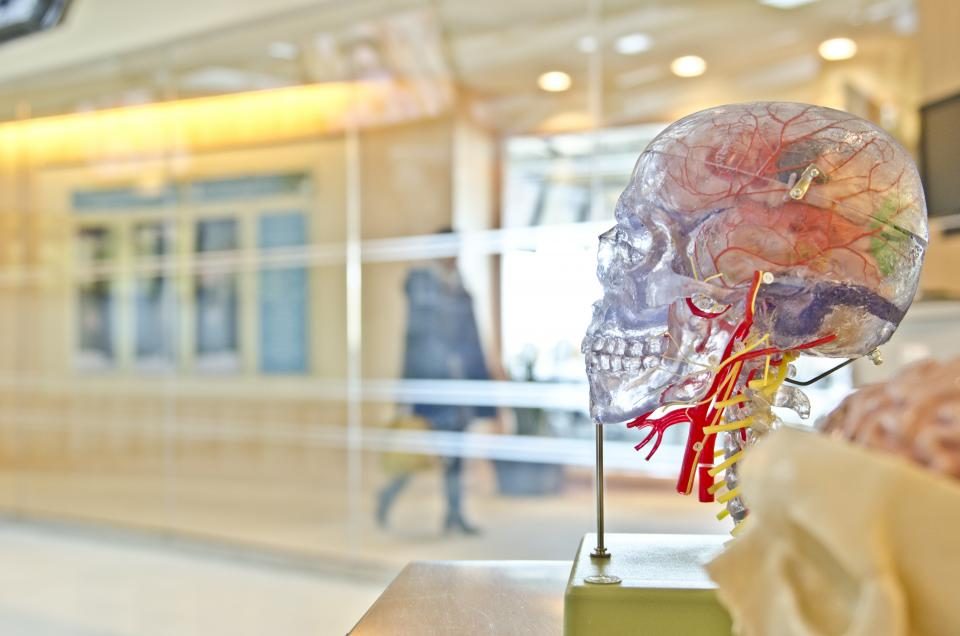
You do not need to be medically trained to care for someone well. But understanding roughly how the body works makes a real difference, because it helps you notice when something has changed — and noticing is the most useful thing a carer does.
This is a plain tour. It is not medical training, and nothing here is for diagnosing anything. Your job is to notice and pass on. Someone qualified decides what it means.
The body as a set of systems
The body is often described as systems that each do a job and all depend on each other. When one struggles, others feel it. That is why a chest infection can make someone confused, or a kidney problem can make them tired.
Heart and circulation
The heart is a pump. It pushes blood around the body through vessels, delivering oxygen and nutrients and carrying waste away.
Blood pressure is the force of blood against the vessel walls. Too high over a long time damages vessels and organs. Too low can make someone dizzy, especially standing up.
What a carer might notice: breathlessness, swollen ankles, chest discomfort, unusual tiredness, dizziness on standing, or a change in colour.
Lungs and breathing
Lungs take oxygen in and push carbon dioxide out. Oxygen crosses into the blood; the heart sends it round.
What a carer might notice: breathlessness doing things that used to be easy, a cough that will not settle, wheezing, or someone sleeping propped up because lying flat is uncomfortable.
The digestive system
Food travels from the mouth through the stomach and intestines. Nutrients are absorbed; waste leaves as stool.
Swallowing is more complicated than it looks, and it is a common problem after a stroke or with dementia. Food or drink going the wrong way can cause a serious chest infection.
What a carer might notice: coughing while eating or drinking, a wet-sounding voice after swallowing, losing weight, constipation, or a change in appetite.
Kidneys and the urinary system
Kidneys filter waste from the blood and make urine. They also help control blood pressure and the balance of water and salts.
Dehydration is one of the most common and most missed problems in older people. Many simply stop feeling thirsty.
What a carer might notice: dark or strong-smelling urine, passing much less than usual, new incontinence, or new confusion — which in an older person is often the first sign of a urine infection.
The brain and nervous system
The brain controls everything, sending messages down the spinal cord and out through nerves. It handles movement, sensation, memory, mood, and the things that happen without thinking, like breathing.
What a carer might notice: confusion that came on quickly, weakness on one side, drooping on one side of the face, slurred speech, new problems with balance, or a change in personality.
Sudden face, arm or speech changes may be a stroke. Call 999. Do not wait to see if it passes.
Bones, joints and muscles
Bones give structure, joints let us move, muscles do the pulling. All three weaken without use, which is why sitting still for long periods is harmful.
What a carer might notice: new pain, stiffness, reluctance to move, a change in how someone walks, or a fall.
Skin
Skin is the largest organ and the first barrier against infection. It thins with age and heals more slowly.
Pressure damage develops where skin is squeezed between bone and a surface — heels, hips, the base of the spine — and it can start within hours.
What a carer might notice: redness that does not fade when pressed, broken skin, swelling, heat, or a change in colour.
The immune system
This is the body defending itself against infection. It weakens with age, and some medicines suppress it deliberately.
In older people infection often does not look like infection. There may be no fever at all. Instead, the first sign is often confusion, drowsiness, or simply not being themselves.
That is worth knowing, because it is easy to miss.
Hormones
Hormones are chemical messengers controlling things like blood sugar, energy and mood. Diabetes is the most common hormone condition you will meet — the body cannot manage blood sugar properly.
What a carer might notice: shakiness, sweating, confusion or irritability, which can mean blood sugar has dropped too low, and needs acting on quickly.
Why this matters for carers
You are often the person who sees someone most often. Families visit, professionals visit occasionally, but you are there regularly — and that means you spot the change first.
You do not need to know what a change means. You need to notice it, describe it plainly, and tell someone.
Say what you saw: "She has been much more confused since Tuesday, and she is drinking far less than usual."
Not what you think caused it.
When to act straight away
Call 999 for sudden weakness or drooping on one side, slurred speech, severe chest pain, serious breathing difficulty, unresponsiveness, or a serious injury.
Call 111 for urgent advice when it is not an emergency.
Tell the family and encourage a GP contact for changes that are not urgent but are not right.
The short version
Systems depend on each other. Small changes matter. New confusion in an older person is a red flag, not a normal part of ageing. And noticing early is worth more than knowing the name of the problem.