The condition you can't feel
High blood pressure — doctors call it hypertension — is one of the most common health conditions in the UK. Around a third of adults have it, and the NHS estimates millions more are living with it without knowing. That's the tricky thing about it: it usually has no symptoms at all. Someone can feel completely well while their blood pressure is quietly raised. This is exactly why it's often called the "silent killer".
Blood pressure is simply the force of blood pushing against the walls of the arteries as the heart pumps. When that pressure stays too high over time, it puts extra strain on the heart and blood vessels. Left untreated, it raises the risk of serious problems — including heart attacks, strokes, and kidney damage. The good news: it's very manageable, and the everyday support a carer gives can genuinely help.
Why it matters even though nothing "feels wrong"
Because high blood pressure is silent, it's easy for a person to think it isn't important — especially when they feel fine and the medicine doesn't seem to "do" anything they can notice. Part of your role is gently understanding why it matters: the harm builds quietly in the background over years, a bit like a tap dripping unseen. Keeping it controlled now is what prevents the heart attack or stroke later. That's worth holding on to on the days it feels like a fuss over nothing.
The two ways it's managed
High blood pressure is usually kept under control with a combination of two things:
1. Healthy lifestyle. Small, steady habits make a real difference, and these are areas where a carer can help enormously:
- Less salt. Cutting salt is one of the most effective changes. Importantly, most of the salt we eat is already hidden in processed and packaged food — not the salt cellar — so helping someone cook fresh and read food labels matters more than just taking salt off the table.
- A healthy, balanced diet rich in fruit, vegetables, and wholegrains.
- Being active — regular gentle movement, within what's right for the person.
- Cutting down on alcohol, and support to stop smoking if they smoke.
- A healthy weight, where relevant.
2. Medication. Many people need daily medicine to control their blood pressure, often for the long term — sometimes more than one type. The single most important thing about these medicines is taking them consistently, every day, even when feeling perfectly well. Because the condition is silent, it's tempting to skip doses; helping someone keep to their routine is one of the most valuable things you can do.
How you can help, safely
Most of what helps is everyday and squarely within your role:
- Support the medication routine. Help the person take their own prescribed medicines at the right times, every day, as their care plan sets out — never changing, adding, or stopping doses yourself.
- Support healthy habits. Cooking fresh, easing back on salt, encouraging gentle activity, and making the healthier choice the easier one.
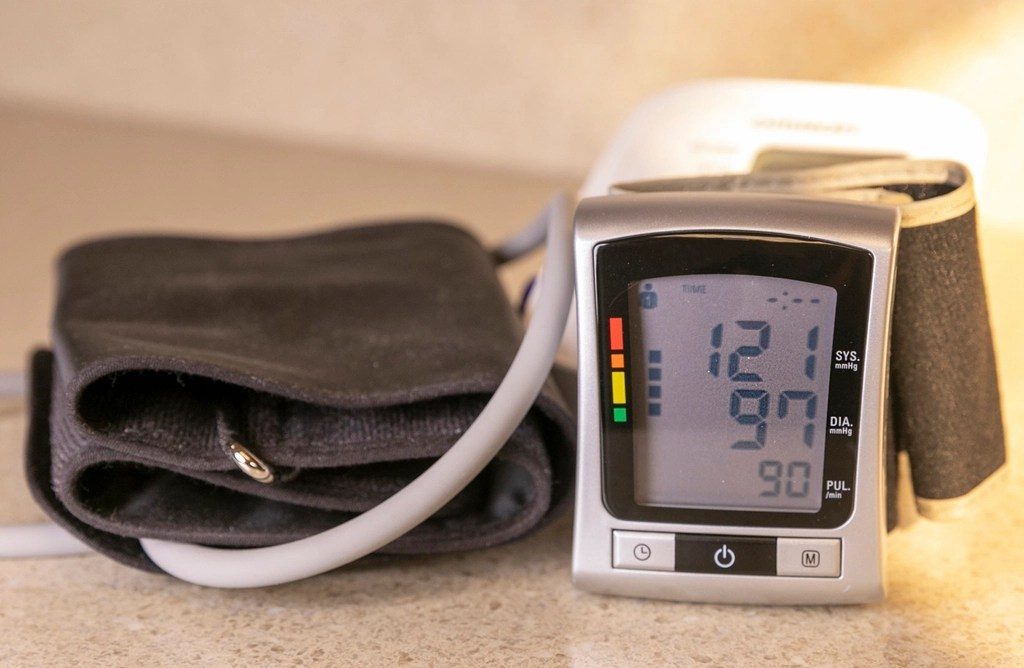
- Help with regular checks. Blood pressure needs monitoring over time. Support the person to attend their reviews and checks — and free checks are widely available at GP surgeries and many pharmacies. Some people monitor at home; if so, help them do it as their team advised, and pass the readings on rather than acting on them yourself.
- Notice and report. If readings seem persistently high, or the person feels unwell, let their healthcare team know so things can be reviewed.
A clear boundary: you don't diagnose high blood pressure, decide what's a "good" or "bad" reading in medical terms, or change anyone's medicine. Supporting someone's own routine, habits, and checks is your role; making medical decisions is the team's.
When it's urgent
Although high blood pressure is usually silent and managed calmly over time, very high blood pressure can occasionally be an emergency. Seek urgent medical help — call 999 or go to A&E — if someone has a very high reading together with symptoms such as chest pain, sudden severe headache, new confusion, breathlessness, problems with vision or speech, or signs of a stroke. When in doubt about whether something's urgent, it's always safer to get advice.
A word on prevention
Because so many people have high blood pressure without knowing, encouraging the people around you — including yourself — to get a simple, free blood pressure check is genuinely worthwhile. In England, healthy adults aged 40 to 74 are invited for an NHS Health Check every five years, and many pharmacies offer free checks. A quick check can catch a hidden problem early, while it's easiest to manage.
The takeaway
High blood pressure is common, serious, and usually completely silent — which is exactly why steady, everyday support matters so much. Help the person take their medicine consistently, support healthier habits like cutting hidden salt, keep up with regular checks, and know the urgent signs. That quiet, consistent help is precisely what keeps the silent condition under control and protects someone's heart for the years ahead.
Where this comes from
- NHS — high blood pressure (hypertension) (nhs.uk)
- British Heart Foundation — high blood pressure (bhf.org.uk)
- Blood Pressure UK — lifestyle and managing your blood pressure (bloodpressureuk.org)
This article is general information to build awareness. It is not medical advice and not a substitute for a person's care plan or their healthcare team. Always follow the care plan and current professional guidance, and seek urgent medical help if someone is seriously unwell.