What asthma is
Asthma is a common, long-term condition that affects the airways — the tubes that carry air in and out of the lungs. In someone with asthma, these airways are sensitive and can become swollen and narrowed, which makes it harder to breathe. Symptoms can be triggered by things like allergies, cold air, smoke, exercise, or a chest infection.
For most people, asthma is well controlled with inhalers and has only a small impact on daily life. But asthma can flare up — and a bad flare-up, called an asthma attack, can be life-threatening. That's why knowing what to do matters so much.
How asthma is usually managed
Most people with asthma use inhalers, and the exact set-up varies from person to person:
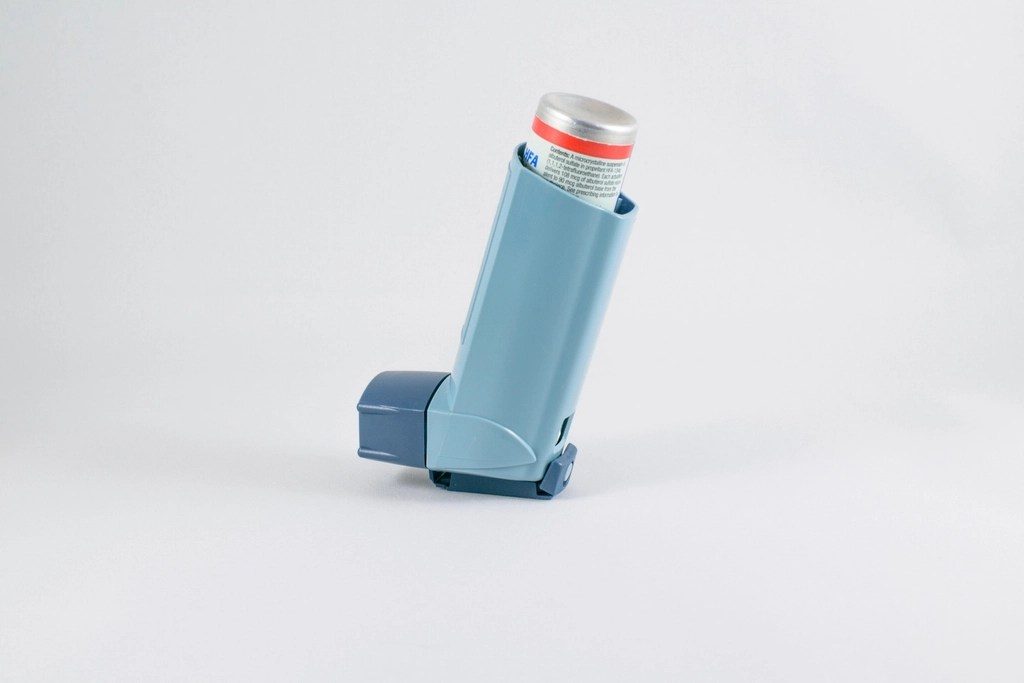
- A reliever inhaler (often blue) is used when symptoms come on. It works quickly to open the airways.
- A preventer or combination inhaler is used regularly, usually every day, to calm the airways over time and reduce the chance of attacks.
Crucially, almost everyone with asthma has a personal asthma action plan — a short written plan, agreed with their doctor or asthma nurse, that says exactly which inhalers to use, how to spot when things are getting worse, and precisely what to do in an attack, including how many puffs of their inhaler to take. Because inhalers and doses differ, their own plan is the instruction to follow — not a general one.
The single most useful thing you can do
If you support someone with asthma, learn their action plan and know where their reliever inhaler is. The NHS and Asthma + Lung UK encourage people to share their plan with family, friends, and carers, exactly so someone can help in an emergency. Ask them to show you their plan, or keep a copy or a photo of it. That one step prepares you for the moment that matters most.
Spotting an asthma attack
Someone may be having an asthma attack if:
- their reliever inhaler isn't helping, or they need it more often than every four hours
- they're wheezing a lot, coughing a lot, or their chest feels very tight
- they're too breathless to talk, walk, or finish a sentence
- their breathing is fast and they can't seem to catch their breath
An attack can come on suddenly or build up over hours or days. Take it seriously.
What to do in an attack
Stay calm — and help them stay calm, because panic makes breathing harder. Then:
- Help them sit up (not lie down) and stay as calm as possible.
- Help them use their reliever inhaler, following their personal asthma action plan — their plan sets the right number of puffs for their specific inhaler. Use a spacer if they have one.
- Call 999 for an ambulance if their inhaler isn't helping, if they get worse at any point, if they don't improve after following their plan's emergency steps, or if you're worried at all. If they don't have their reliever inhaler with them and are struggling to breathe, call 999 straight away — don't wait.
Never feel you're "overreacting" by calling 999 for breathing trouble. An asthma attack is an emergency, and it's always safer to call.
Even if someone recovers well after using their inhaler and doesn't need an ambulance, they should still see their GP or asthma nurse urgently — usually within a day or two — because an attack is a sign their asthma needs a review.
Knowing your role
Your job is to know their plan, help them stay calm, help them use their own inhaler as their plan says, and call 999 when needed. You don't change their medicines, decide on doses beyond what their plan states, or talk someone out of getting help. When in doubt, get help.
The takeaway
Asthma is common and usually well managed — but an asthma attack is a genuine emergency, and a calm, prepared carer can make all the difference. Learn the person's action plan, know where their reliever inhaler is, recognise the signs, and don't hesitate to call 999. Prepared and calm is exactly what helps.
Where this comes from
- NHS — Asthma; what to do in an asthma attack (nhs.uk)
- Asthma + Lung UK — asthma attacks and action plans (asthmaandlung.org.uk)
This article is general information to build awareness. It is not medical advice and not a substitute for a person's asthma action plan or their healthcare team. Always follow the person's own action plan, and call 999 in an asthma emergency.